Buying guide · 2 min read
Pelvic floor trainers explained
What pelvic floor trainers do, the difference between weights and smart trainers, and how to use them safely.
By The Luminova Team · 21 Aug 2026
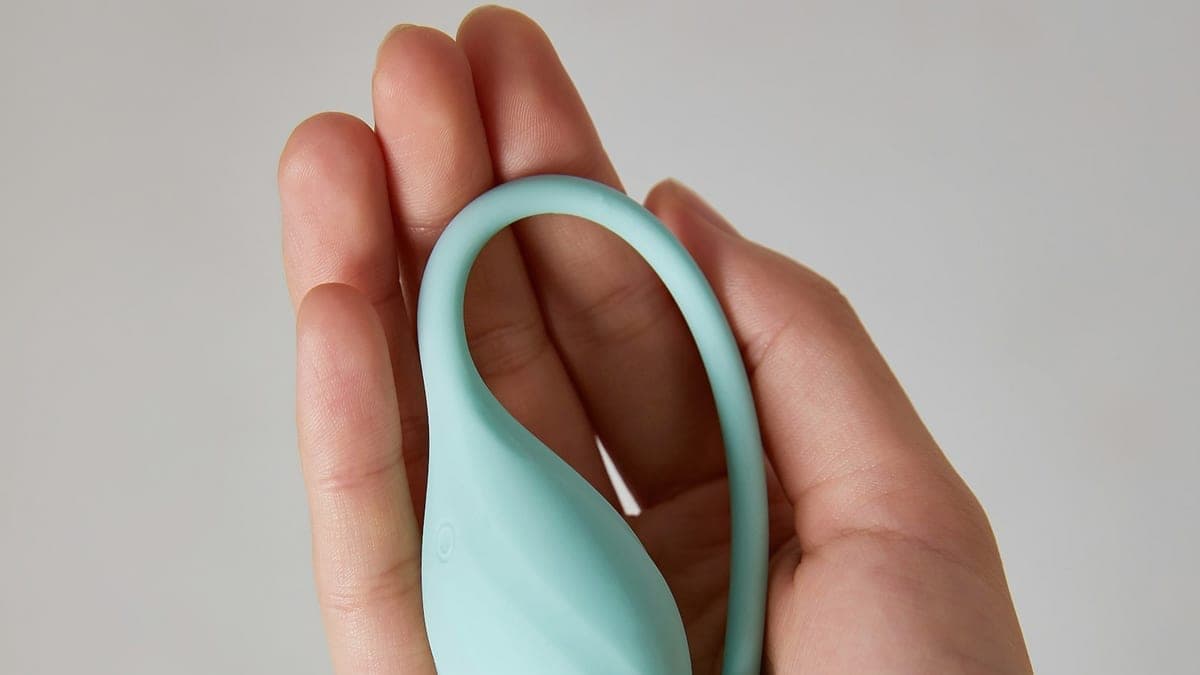
Your pelvic floor is a group of muscles that supports the bladder, bowel and uterus. Like any muscle, it benefits from regular, well-guided exercise — particularly after pregnancy, through menopause, or if you notice a little leaking when you laugh or run.
Why use a trainer?
Pelvic floor exercises (often called Kegels) are easy to do incorrectly. A trainer gives you something to "hold" and feedback that you're engaging the right muscles.
Weighted trainers
Sets of graduated weights in smooth silicone. You start with the lightest and progress as your strength improves. They're simple, affordable and need no app.
Smart trainers
App-connected trainers measure squeeze strength and guide you through short sessions with games and reminders. They're helpful if you like tracking progress or need motivation to stay consistent.
Getting started safely
- Talk to a women's health physiotherapist if you're pregnant, postpartum, have pain, or aren't sure the exercises are right for you.
- Start with short sessions — around 5 minutes, a few times a week.
- Use a little water-based lube for comfortable insertion.
- Breathe normally and relax fully between contractions; relaxing matters as much as squeezing.
- Clean before and after each use and store in the pouch provided.
What results to expect
Most people notice changes after 6–12 weeks of regular practice. Consistency beats intensity.
This guide is general information, not medical advice.
Shop this guide
- New in
- Sale


